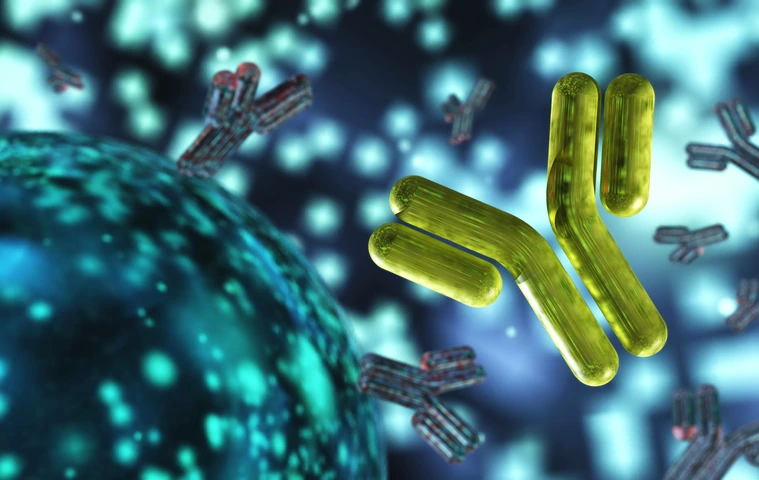
Custom monoclonal antibodies have revolutionized the field of biotechnology and medicine by allowing researchers and clinicians to specifically target and study a wide range of disease-related proteins. These specialized antibodies are created by customizing the immune response of a host animal, such as a mouse, to produce highly specific antibodies against a target protein.
The production of custom monoclonal antibodies involves a series of complex steps, including immunization, fusion of immune cells with tumor cells to create hybridomas, screening and selection of antibody-producing cells, and large-scale production of the desired antibody. This process requires expertise in molecular biology, cell culture techniques, and protein purification methods to ensure the production of high-quality antibodies for research and diagnostic applications.
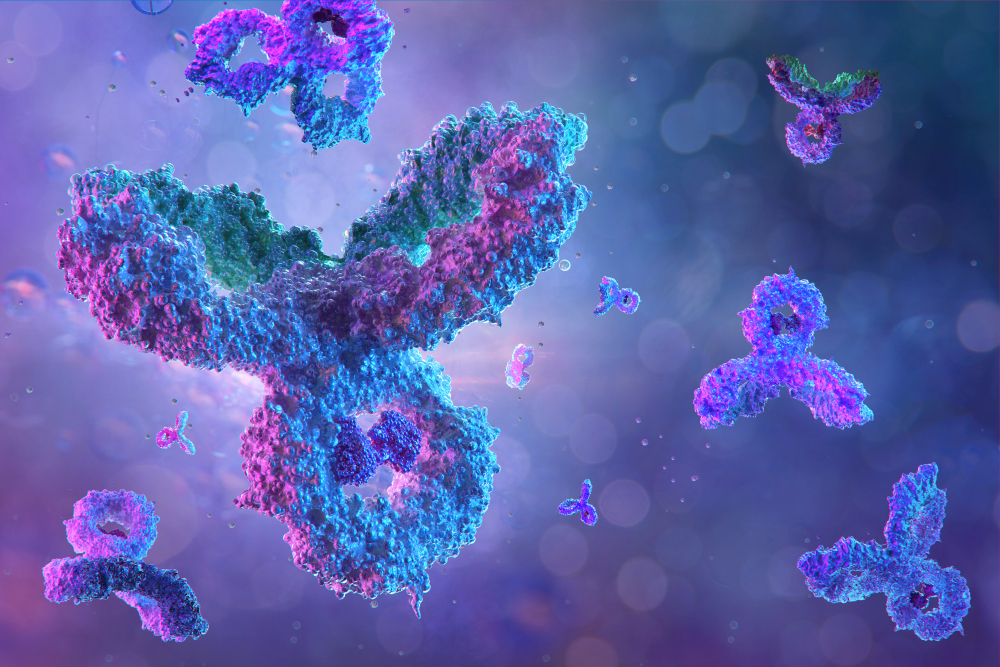
Benefits of Custom Monoclonal Antibodies
Custom monoclonal antibodies offer numerous advantages in research and diagnostics. By targeting specific proteins with high affinity and specificity, these antibodies provide a valuable tool for studying protein function, localization, and interactions within cells. Additionally, custom monoclonal antibodies can be optimized for various applications, such as immunohistochemistry, flow cytometry, and Western blotting, making them versatile reagents for diverse research needs. The ability to customize these antibodies according to specific requirements ensures reliable and reproducible results, enhancing the accuracy and efficiency of experiments in the field of biotechnology and medicine.
Applications of Custom Monoclonal Antibodies
The production of custom monoclonal antibodies has enabled significant advancements in various areas of research and medicine. These highly specific antibodies have been used to detect and quantify disease biomarkers, identify potential drug targets, and develop therapeutic interventions for a wide range of illnesses. Furthermore, custom monoclonal antibodies play a crucial role in personalized medicine by tailoring treatments to individual patients based on their unique protein profiles. With the continued development of custom monoclonal antibodies, the possibilities for targeted therapies and precision medicine continue to expand, offering new opportunities for improving healthcare outcomes.
In conclusion, custom monoclonal antibodies have revolutionized the way researchers and clinicians study and treat diseases. By providing highly specific and customizable tools for targeting proteins, these antibodies offer a wide range of benefits in research and diagnostics. The ability to precisely tailor monoclonal antibodies according to specific requirements ensures reliable results and opens up new possibilities for targeted therapies and personalized medicine. With ongoing advancements in custom monoclonal antibody production, the potential for improving healthcare outcomes through precision medicine continues to grow, promising a brighter future for the field of biotechnology and medicine.
Leave a Reply