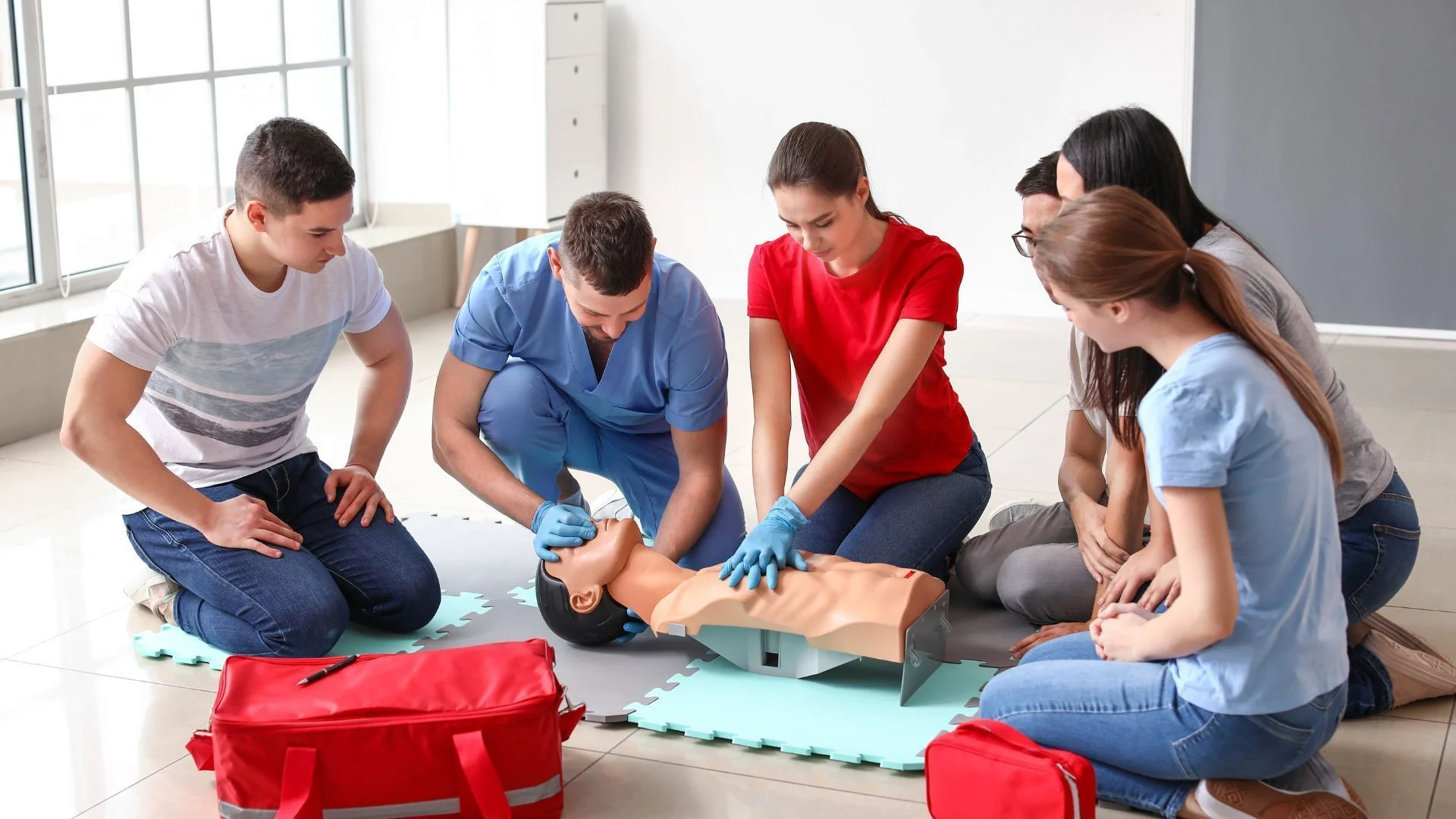
In today’s fast-paced world, the ability to respond effectively in emergencies can make all the difference between life and death. First aid courses play a crucial role in equipping individuals with the necessary skills and knowledge to handle unexpected medical situations, whether at home, in the workplace, or during recreational activities. These courses cover essential techniques, from identifying and treating injuries to performing CPR and using an automated external defibrillator (AED), empowering participants to act confidently when it matters most.
Beyond just learning practical skills, first aid courses foster a sense of responsibility and community awareness. They encourage participants to become proactive bystanders, ready to assist anyone in need. By learning how to assess emergency situations, manage stress, and communicate effectively, individuals can enhance their own preparedness while also inspiring others to embrace the life-saving skills that can ultimately create safer environments for all.
Essential Life-Saving Skills
Participants in first aid courses gain invaluable skills that can be applied in a variety of situations, from minor cuts and bruises to life-threatening emergencies. Training often includes recognizing the signs of serious conditions such as strokes or heart attacks, which can occur with little warning. By practicing techniques like CPR and using an AED, individuals develop the confidence needed to act decisively in emergencies. An investment in first aid courses not only enhances personal readiness but also contributes to a culture of safety within communities, where each person feels empowered to help others.
Building a Community of Preparedness
Engaging in first aid education creates a ripple effect, where trained individuals share their knowledge within their families, friends, and workplaces. This collective understanding of emergency response fosters a supportive network that can respond more effectively during crises. Moreover, as participants practice communication and stress management techniques, they learn to remain calm and focused under pressure, making them more effective responders. By cultivating these traits, first aid training not only equips individuals but also strengthens community bonds, ultimately leading to safer environments for everyone.
In conclusion, participating in first aid courses is an essential step toward fostering a culture of safety and preparedness within our communities. These courses not only impart vital life-saving skills but also cultivate a network of informed individuals ready to respond in emergencies, thereby enhancing overall resilience. By empowering people to handle medical crises with confidence and composure, first aid training helps to build a supportive framework that can effectively mitigate the effects of unexpected situations. As more individuals become trained in these critical skills, we move closer to a society where every person can play a proactive role in safeguarding the well-being of others, reinforcing the idea that preparedness is a shared responsibility vital to public health and safety.
Leave a Reply